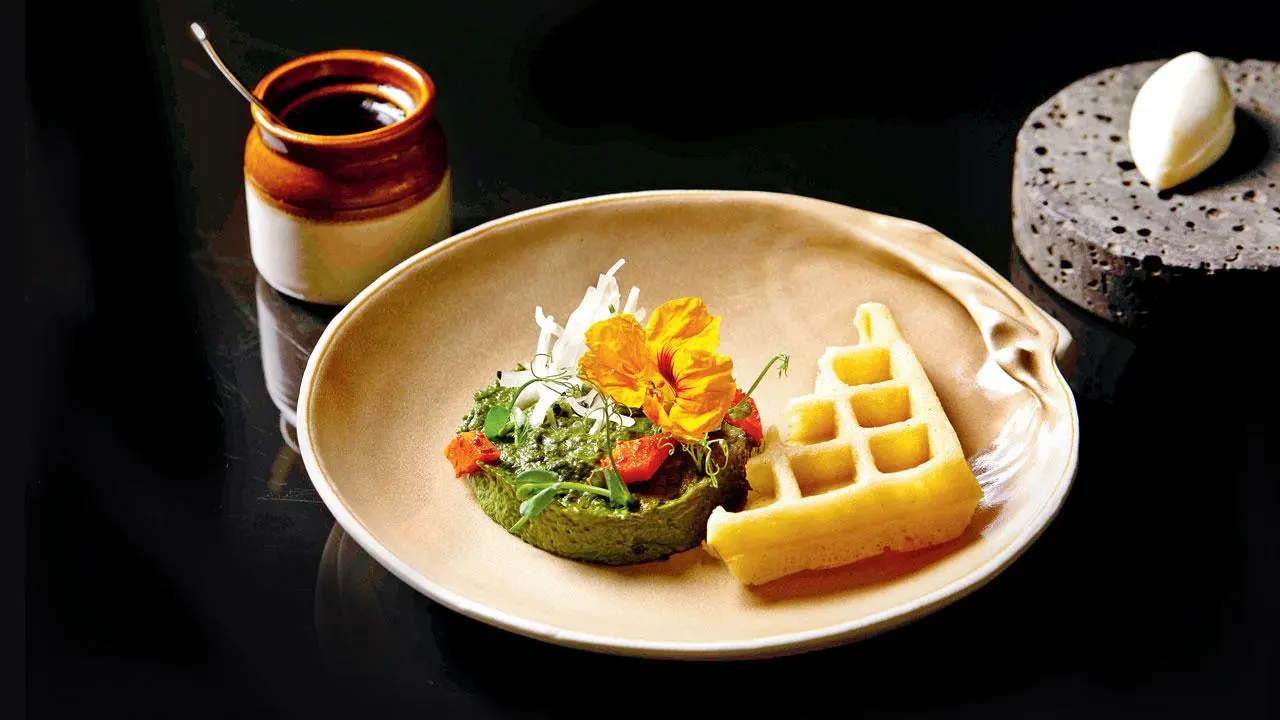
Sarson Ka Saag (सरसों का साग) is a traditional Punjabi dish made with mustard greens (sarson) and other leafy vegetables, slow-cooked with aromatic spices. It is rich, earthy, and deeply comforting, often served with makki di roti (cornflatbread), homemade white butter, and jaggery.
This dish is a winter favorite in North India, especially in Punjab, where fresh mustard greens thrive during the colder months. Packed with nutrients and robust flavors, Sarson Ka Saag is not just a dish but an experience, bringing warmth and nostalgia to every Punjabi household.
In this guide, we will explore:

✔ The cultural significance and history of Sarson Ka Saag.
✔ Key ingredients and their health benefits.
✔ Step-by-step traditional recipe.
✔ Pro tips for the perfect texture and flavor.
✔ Best accompaniments to enjoy with Sarson Ka Saag.
The History and Significance of Sarson Ka Saag
✔ Sarson Ka Saag is a staple in Punjabi households, particularly during winter months (November–February) when mustard greens are in season.
✔ The dish is deeply rooted in agrarian culture, reflecting the wholesome, hearty, and nourishing diet of Punjabi farmers.
✔ Sarson (mustard greens) is a cold-weather crop that grows abundantly in Punjab, making it a regional specialty.
✔ Traditionally cooked slowly on wood-fired stoves (chulha) in rural homes, giving it a smoky, rich flavor.
📌 Fun Fact: Punjabi farmers eat Sarson Ka Saag with Makki di Roti and a glass of Lassi to stay energized and warm during winter farm work.
Key Ingredients and Their Health Benefits
1. Mustard Greens (Sarson) 🌿
✔ The star ingredient, giving the dish its signature peppery, slightly bitter flavor.
✔ Packed with vitamins A, C, and K, iron, calcium, and antioxidants.
2. Spinach (Palak) 🥬
✔ Added for smooth texture and natural sweetness.
✔ Rich in iron, fiber, and folic acid.
✔ Enhances the flavor complexity and boosts nutrition.
✔ High in vitamin C and calcium.
📌 Substitute: If bathua is unavailable, use extra spinach or fenugreek leaves (methi).
4. Makki Ka Atta (Cornmeal) 🌽
✔ Used as a natural thickener for the saag.
✔ Adds a mild sweetness and rustic texture.
5. Ghee and Spices 🧈🌶️
✔ Desi ghee (clarified butter) enhances richness.
✔ Garlic, ginger, green chilies, and cumin add depth and warmth.
📌 Secret Ingredient: A pinch of hing (asafoetida) enhances digestion and adds a savory umami note.
Traditional Sarson Ka Saag Recipe
Ingredients (Serves 4-5)
For the Saag (Greens Mixture):
✔ 500g mustard greens (sarson), chopped
✔ 250g spinach (palak), chopped
✔ 100g bathua (optional, enhances taste)
✔ 2 green chilies, chopped
✔ 1 tbsp grated ginger
✔ 5-6 garlic cloves, minced
✔ 1 tsp salt
✔ 3 cups water
✔ 2 tbsp makki ka atta (cornmeal)
For the Tempering (Tadka):
✔ 2 tbsp ghee
✔ 1 small onion, finely chopped
✔ 4 garlic cloves, sliced
✔ 1 dried red chili
✔ 1 tsp cumin seeds
✔ ½ tsp red chili powder
📌 Pro Tip: Using homemade ghee gives the saag an authentic, rich flavor.
Step 1: Cooking the Greens 🌿🔥
✔ In a large pot or pressure cooker, add mustard greens, spinach, bathua, green chilies, ginger, garlic, salt, and water.
✔ Cover and cook for 30-40 minutes on low heat (or pressure cook for 3-4 whistles).
✔ Once cooked, use a hand blender or wooden masher (madhani) to blend into a coarse paste.
📌 Traditional Tip: Some families prefer a chunky texture, while others make it smooth and creamy. Adjust to preference!
Step 2: Thickening with Makki Ka Atta 🌽
✔ Mix 2 tbsp makki ka atta with ¼ cup warm water to make a smooth paste.
✔ Stir into the saag and let it simmer for 10-15 minutes, stirring occasionally.
✔ The cornmeal thickens the saag while adding a mild sweetness.
📌 Pro Tip: The longer the saag simmers, the better the flavor! Some Punjabi households cook it for hours for deep richness.
Step 3: Preparing the Tadka (Tempering) 🍳🔥
✔ Heat 2 tbsp ghee in a pan.
✔ Add cumin seeds, garlic, and dried red chili, sauté until garlic turns golden.
✔ Stir in chopped onions and cook until translucent.
✔ Add red chili powder and mix well.
✔ Pour this tadka over the saag and mix.
📌 Pro Tip: For extra smokiness, place a piece of hot charcoal in a bowl, drizzle with ghee, cover the pot, and let the smoke infuse for 2 minutes.
Best Accompaniments for Sarson Ka Saag
1. Makki Di Roti (Cornflatbread) 🌽🥖
✔ The ultimate pairing—crispy, golden-yellow flatbread made from cornmeal.
✔ Enhances the earthy flavors of the saag.
📌 Pro Tip: Smear a generous dollop of homemade white butter (makkhan) on top!
2. Gur (Jaggery) 🍯
✔ Sweet jaggery balances the spicy, bitter notes of Sarson Ka Saag.
✔ Traditionally eaten as a side or dessert.
3. Buttermilk (Chaas) or Lassi 🥛
✔ Helps with digestion and cools down the spice level.
✔ Sweet lassi or salty chaas both complement the dish.
📌 Best Combination: Sarson Ka Saag + Makki Di Roti + Gur + Lassi = The Perfect Punjabi Meal!
Pro Tips for the Best Sarson Ka Saag
✔ Use More Mustard Greens than Spinach – 3:1 ratio ensures authentic flavor.
✔ Slow Cooking Enhances Flavor – Simmer for at least 45 minutes to 1 hour.
✔ Mash, Don’t Blend – For an authentic coarse texture, use a madhani (wooden hand blender) instead of a mixer.
✔ Don’t Skip the Ghee Tadka – It’s what makes the dish rich and aromatic.
✔ Serve Hot – Sarson Ka Saag thickens as it cools, so reheat before serving.
Conclusion: A Must-Try Punjabi Classic
Sarson Ka Saag is more than just a dish—it’s a celebration of Punjab’s culinary heritage. Whether enjoyed goltogel with makki di roti, white butter, or a glass of lassi, this hearty dish is comfort food at its best.
💬 Have you tried making Sarson Ka Saag at home? What’s your favorite way to enjoy this dish? Share your thoughts below! 🌿🔥🍛